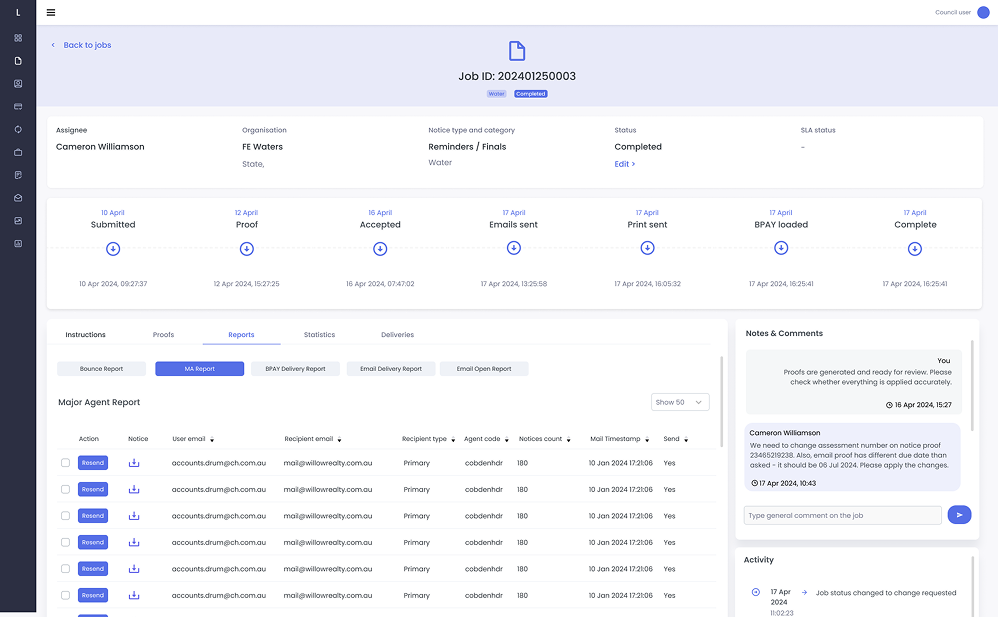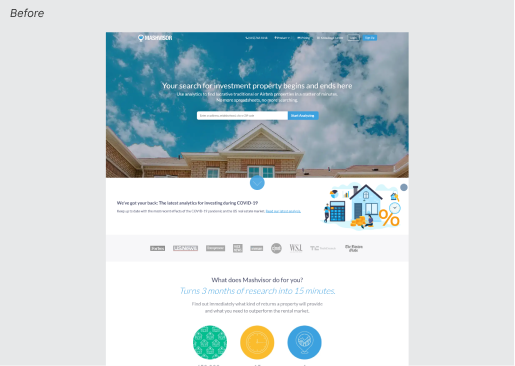
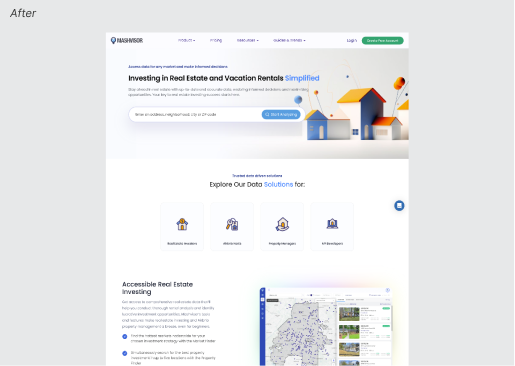
As a first in-house designer joining the team I discovered critical systematic design debt as the team of the developers had been self-implement UI for more than 2 years.
Business Impact:
- Every new feature = design from scratch (slow development)
- UI inconsistency eroded user trust (repetition builds confidence)
- Accessibility failures = legal/ethical risk
- White-label opportunities lost (no systematic theming process)
- Design-dev conflicts (no single source of truth)
Constraints:
This wasn't a 2-month isolated project. It was a 2-year ongoing evolution happening parallel to platform growth and visual redesign.
Foundation (2020 - 2021)
Core Analytics Redesign (2021 - 2022)
Platform Expansion (2022 - 2023)
Organisation:
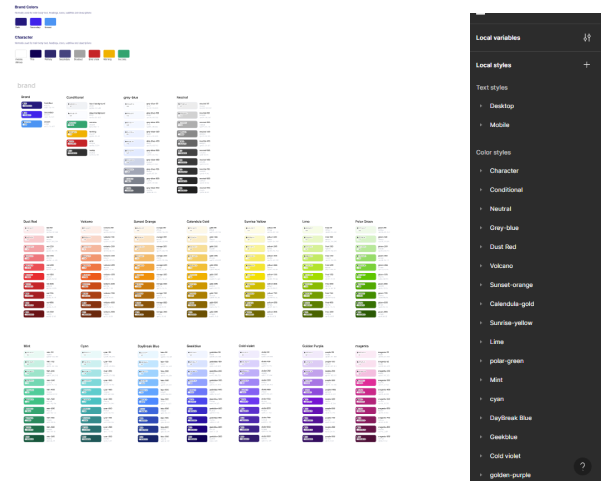
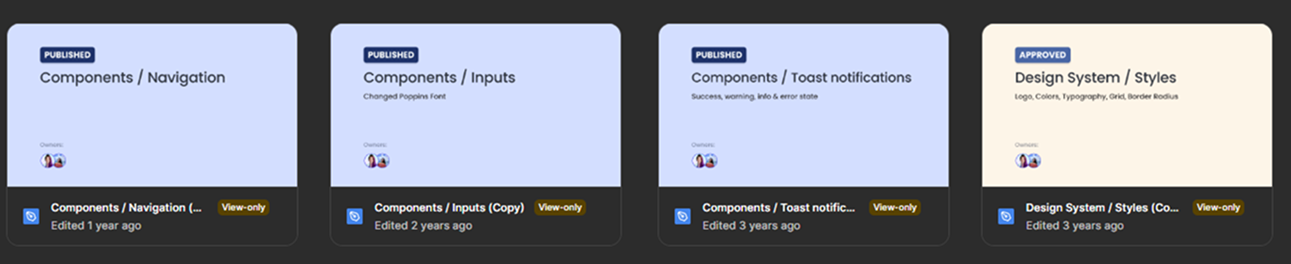
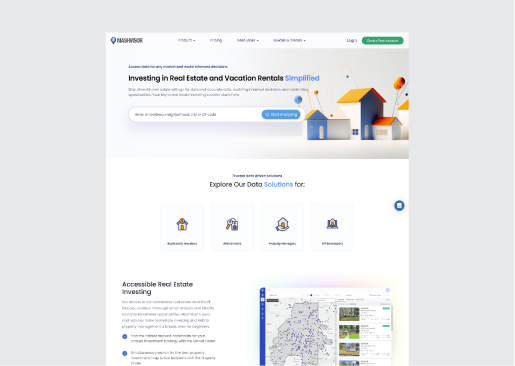
✅ Tool modernization (Illustrator → Figma)
✅ Stopped design drift (design review required, no more dev self-shipping)
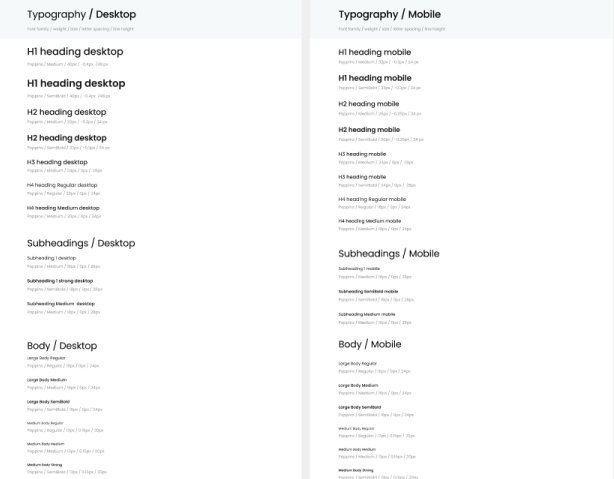
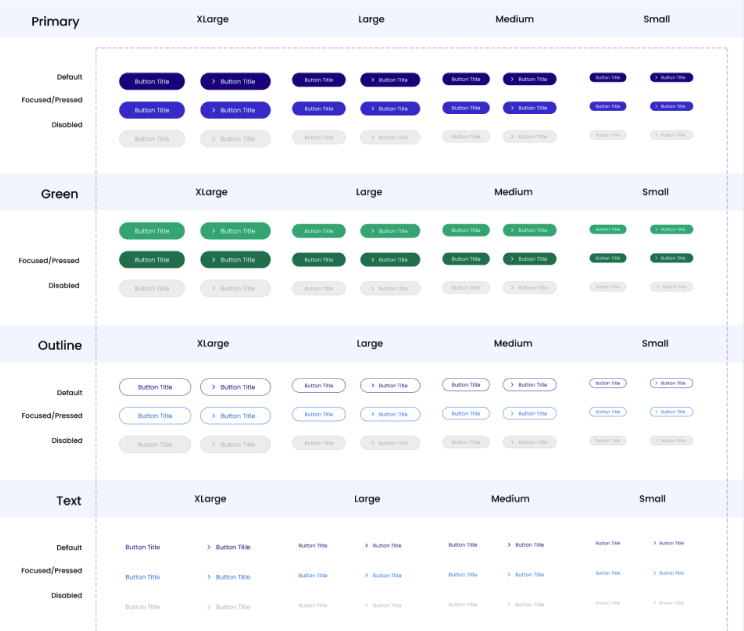
✅ Reduced 6+ button style inconsistent variants → 1 systematic component library
✅ WCAG accessibility compliance achieved
✅ White-label clients delivered (multiple production implementations)
✅ Platform evolution enabled (3 years of feature development on system)
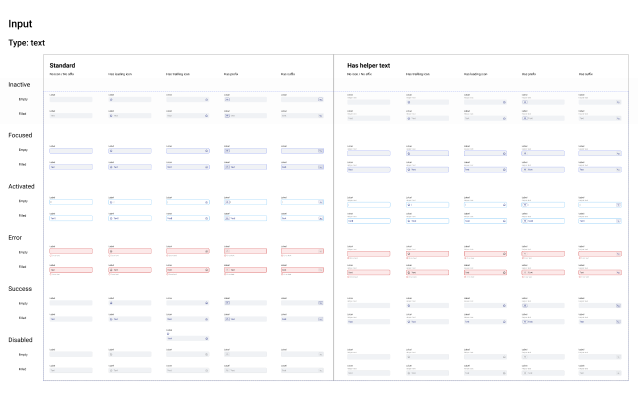
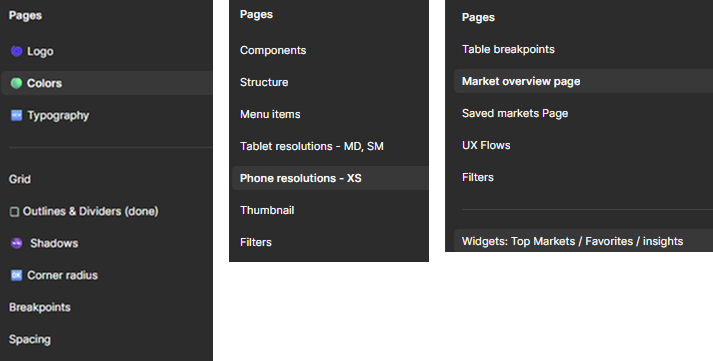
✅ Single source of truth for both design and dev teams
Design Systems aren't static deliverables - they evolve with product growth. Built while shipping features, not by pausing the business. Proud to have introduced modern tools (Figma), stopped developer-driven drift, and enabled 3 years of scalable development.
.gif)
"She showcased exceptional talent and expertise in UX design. Ana's contributions were instrumental in shaping the user experience and final design for user experiences supported by real estate investment analytics and machine learning algorithms."

Product owner @ Mashvisor
Having Sia as the UX design expert in the team has turned out to be one of the key factors behind the success story of the project.
With an in-depth understanding of the client's business processes, she not only designed a modern-looking user interface for the applications, but actually streamlined user journeys, made interaction with the systems much more intuitive and helped eliminate human errors in data input.

Lead Architect @ OneBit Software
Open to Senior Product Designer roles in enterprise SaaS.